Tailoring & Fit
Cut, cloth and proportion for the larger gentleman: how a jacket should sit, what a tailor can fix, and where off-the-rack falls short.
The custom suit, without the mystery
Last December I had five suits made at Mario Tailors in Kowloon, Hong Kong. The full trip is in the journal: Five Suits in Kowloon. This page is the practical side: what a custom suit actually is, why it matters for a bigger frame, and how to get one at a fair price.
Off the rack, made to measure, bespoke
- Off the rack is cut for an average body. A tailor can shorten sleeves and take in a waist, but cannot fix shoulders that are too narrow or a chest that pulls.
- Made to measure starts from an existing pattern and adjusts it to your measurements. This is what most good-value tailors offer, and it is a big step up.
- Bespoke means a pattern drafted from scratch for you, with several fittings along the way. It is the gold standard, and it is priced like it.
You do not need bespoke to look sharp. A good made-to-measure suit from a tailor who takes careful measurements gets most of the benefit at a fraction of the cost.
Why custom matters for a bigger frame
Off the rack, a larger man is always choosing which part of a jacket gets to fit. Size up for the chest and the shoulders hang. Size for the shoulders and the buttons strain. Sleeve length, jacket length and trouser rise are all guesses. Made to your measurements, those pieces finally agree with each other, and a suit that fits makes a man look taller and leaner than one that does not.
How it works
- Choose the cloth. Expect to sit with fabric books and handle a lot of swatches.
- Get measured. A good tailor takes a lot of measurements and watches how you stand. Wear the shirt and shoes you plan to wear with the suit.
- Choose the details. Lapel shape, single or double-breasted, buttons, pockets, vents, and the lining.
- Fitting. Try the suit on before it is finished so the tailor can adjust. Ask for at least one fitting.
- Final check. Try everything on in the shop before you pay the balance.
Choosing the cloth
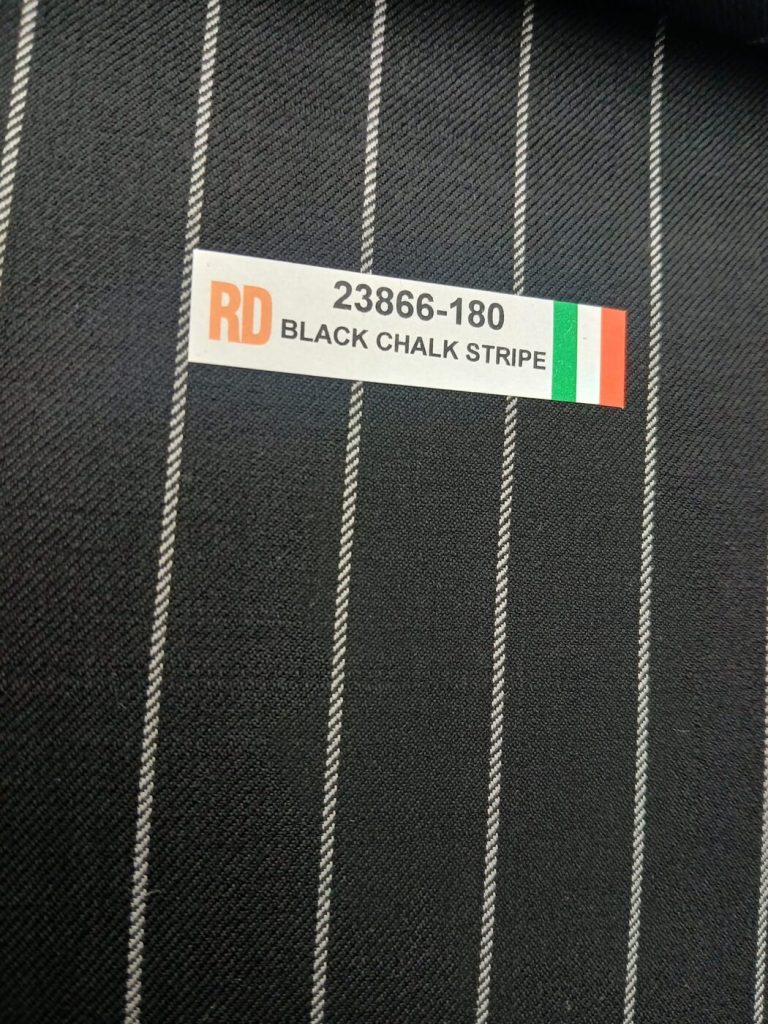
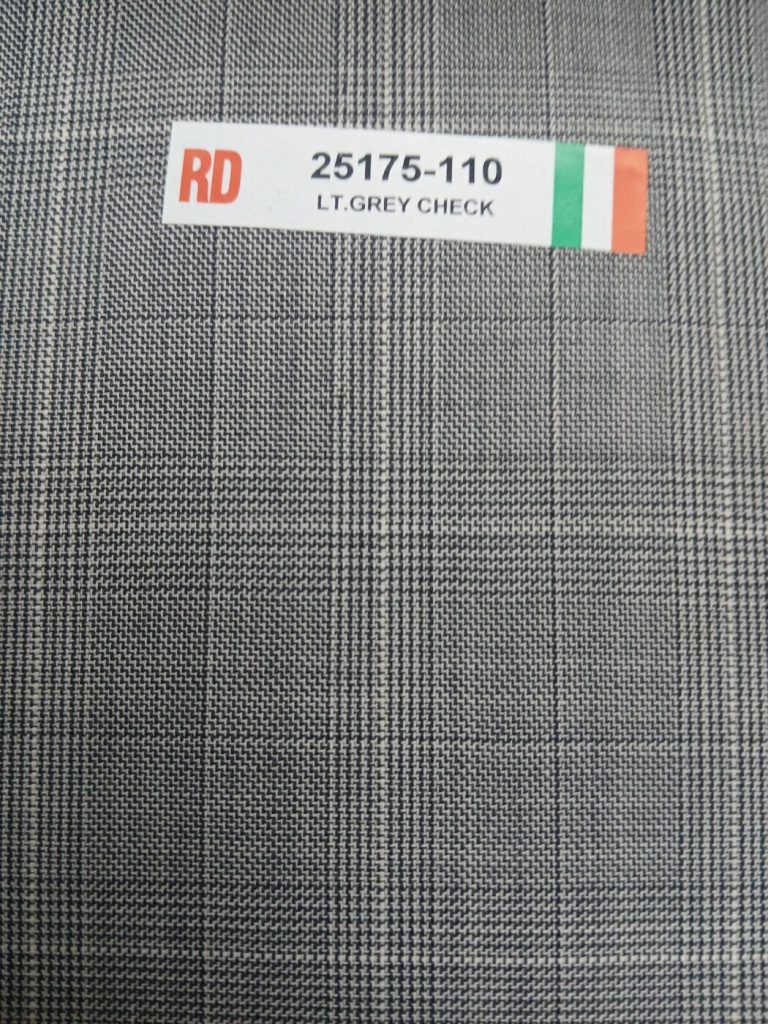
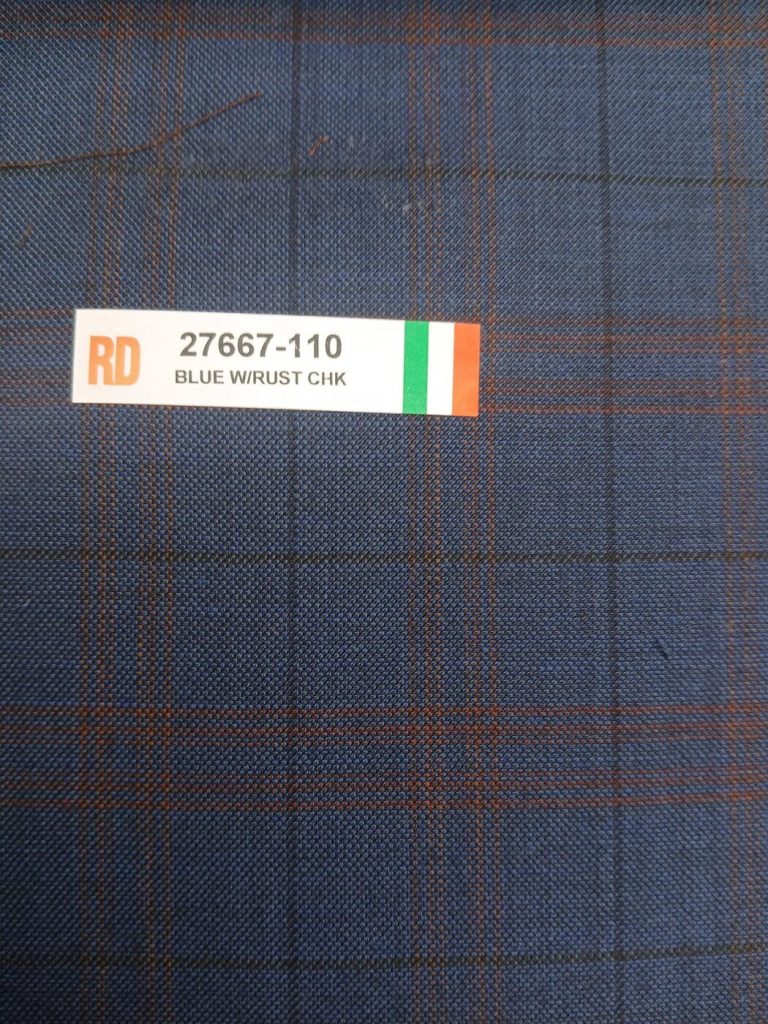
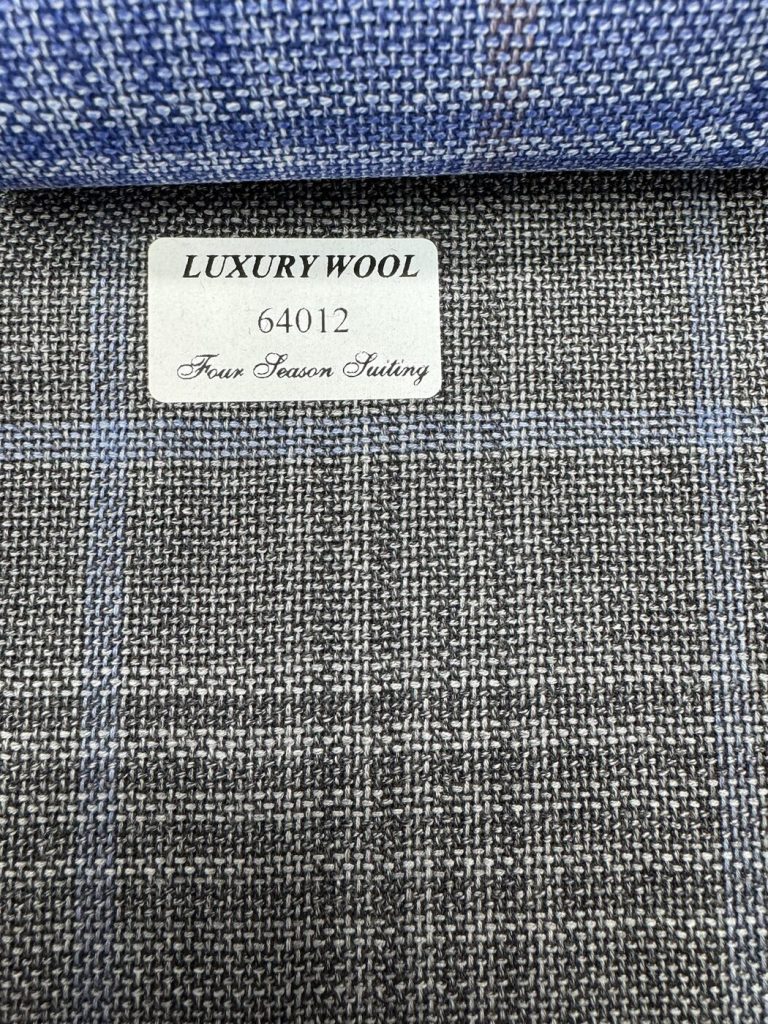
- Start with navy and charcoal. They work for the office, a wedding and a dinner, and they are the suits you will wear most.
- A four-season worsted wool is the safest choice for a first custom suit. It drapes well and handles travel.
- Save patterns such as chalk stripe, glen check and windowpane for the second and third suits.
- Higher “Super” numbers mean finer yarn and a softer hand, but finer cloth also wears out faster. For a suit you will wear often, sturdier is better.
- For a bigger frame, vertical stripes lengthen the line, and large, bold checks widen it.
The fun part: the details
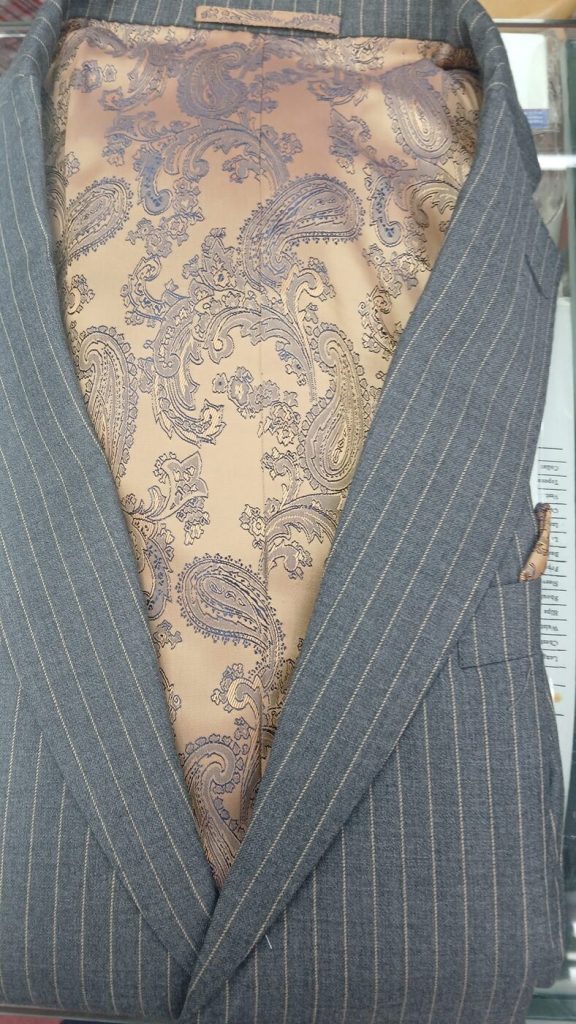
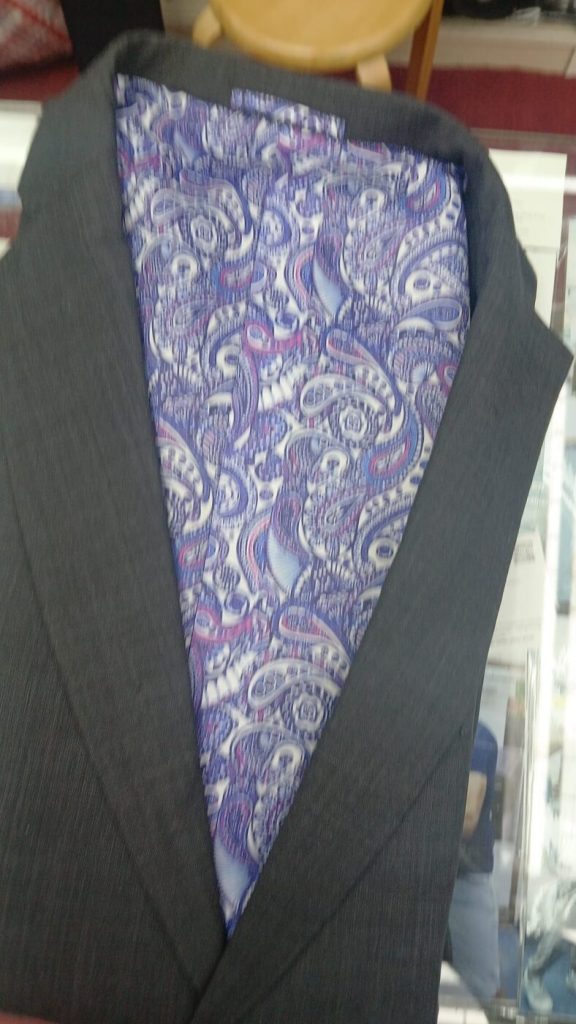
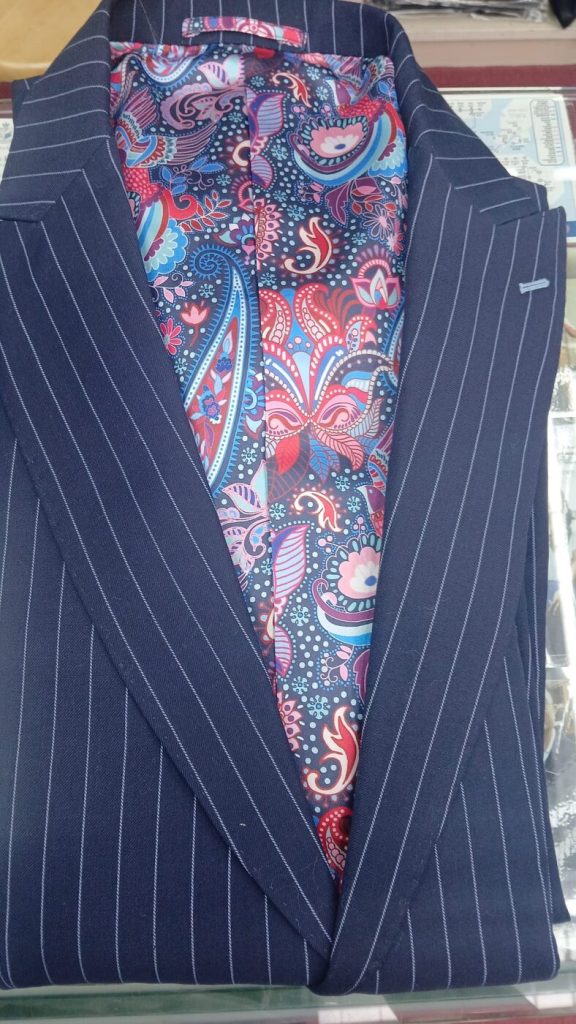
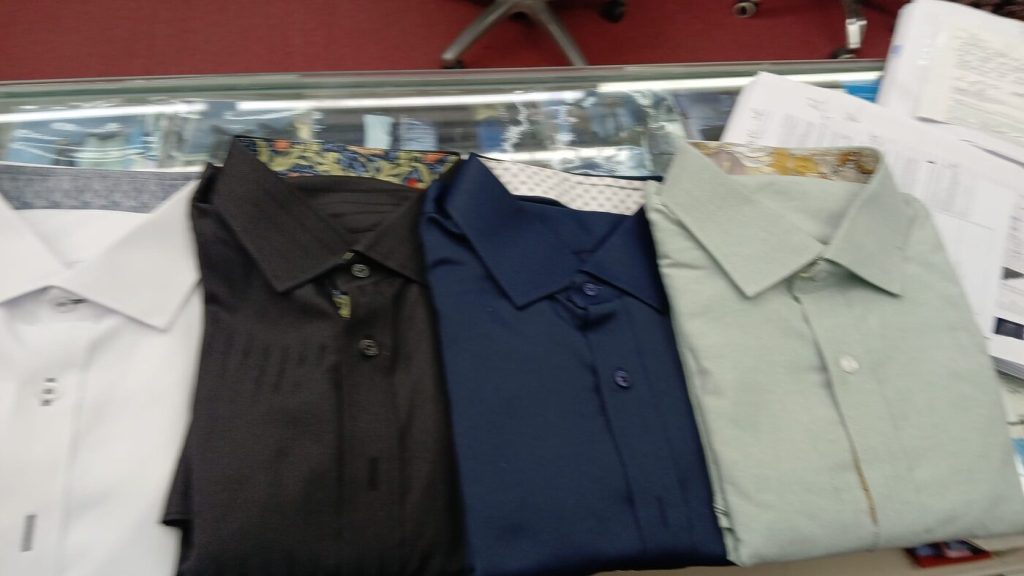
The outside of a suit should be quiet. The inside can say whatever you like. A paisley or patterned lining, a contrast buttonhole on the lapel, or a cuff lining on a shirt are small touches only you know about until the jacket comes off.
Getting good value
- Know what you want before you walk in. Bring a photo or a jacket you like.
- Agree the price for the whole order up front, including shirts, extra trousers and any changes.
- Ask what the cloth is and where it is from. Check the label on the bolt or swatch.
- Do not rush. A shop that promises a suit in a day is cutting a corner somewhere. Plan your trip so there is time for a fitting.
- Look at a finished garment in the shop: the buttonholes, the lining and the pattern matching at the seams tell you a lot.
- Keep your measurements on file so you can reorder from home.
What to check at the fitting
- Shoulders: the seam ends where your shoulder ends, with no divot below it.
- Collar: the jacket collar sits against your shirt collar, with no gap at the back of the neck.
- Buttoned: no X-shaped pulling across the front.
- Sleeves: about a quarter to a half inch of shirt cuff shows.
- Length: the jacket covers your seat.
- Trousers: they sit at your natural waist without a belt doing the work, with a slight break or none at the shoe.